How Often Should You Schedule Pressure Washing in St. Charles, MO? | Homeowner Guide
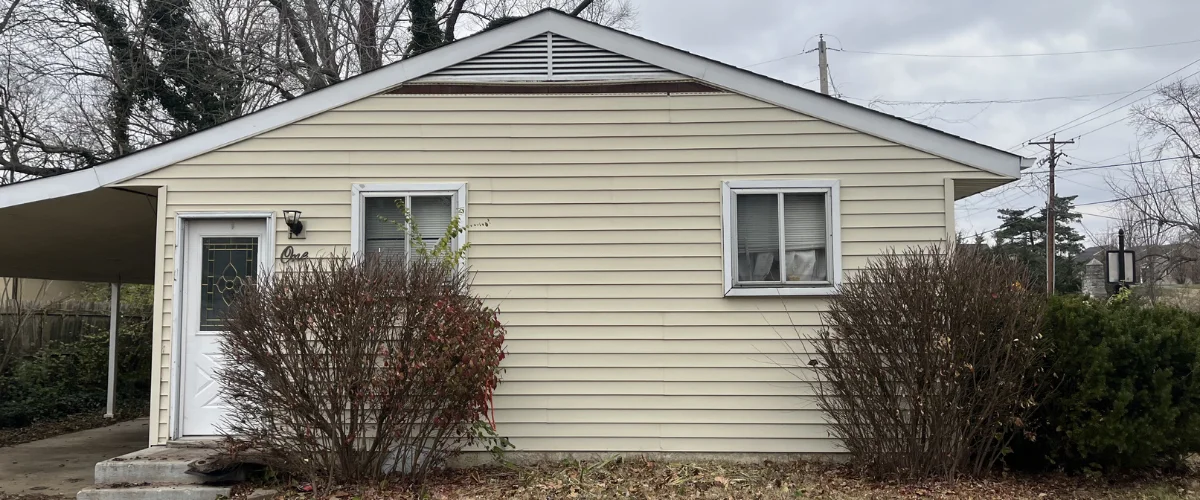
If you live in St. Charles, you’ve probably noticed how quickly the outside of your home can start looking dull. One season your siding looks bright and clean, and the next it’s covered in green streaks, pollen dust, or dark grime along the driveway. Between humid summers, falling leaves, and winter road salt, your home’s exterior takes a beating year-round.
That’s why so many homeowners start asking the same question: how often should you schedule pressure washing in St. Charles, MO?
The answer depends on several factors, including the type of surfaces around your home, local weather patterns, and how much shade or moisture your property gets. In this guide, we’ll walk through exactly how often different areas should be cleaned, why pressure washing matters for homes in St. Charles, and how a regular cleaning schedule can protect your property long-term.
Why Pressure Washing Matters in St. Charles
Living in St. Charles has plenty of perks. The historic downtown, beautiful neighborhoods, and proximity to the Missouri River make it a fantastic place to live. But our local climate also creates the perfect environment for exterior buildup.
Here’s why exterior surfaces get dirtier faster here:
Humidity during spring and summer encourages algae and mildew growth.
Pollen season coats siding, decks, and patios with a yellow film.
Tree coverage traps moisture and causes moss or organic buildup.
Winter road salt and grime accumulate on driveways and walkways.
Storm runoff can leave dirt and sediment stains.
When this buildup sits too long, it doesn’t just look bad, it can slowly damage surfaces like siding, concrete, and wood.
Regular pressure washing in St. Charles, MO, removes those contaminants before they cause long-term issues.
How Often Should You Schedule Pressure Washing in St. Charles, MO?
For most homeowners in the area, a yearly pressure washing service is the ideal schedule.
However, certain areas of your property may benefit from cleaning more frequently.
Here’s a general guideline.
Annual House Washing
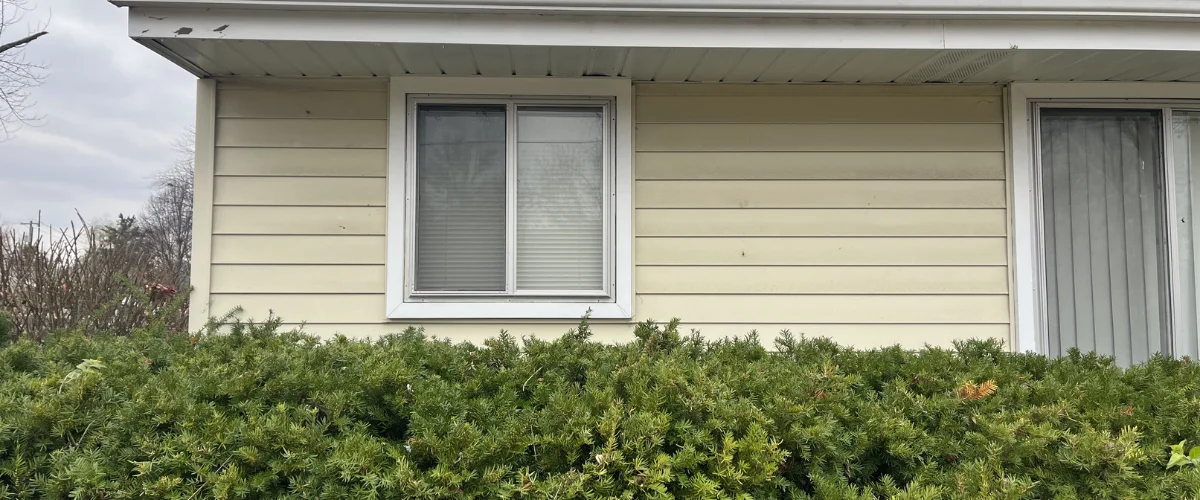
Your siding should typically be cleaned once per year.
Over time, siding collects:
Dirt
Mold
Algae
Spider webs
Airborne pollutants
Annual cleaning helps:
Maintain curb appeal
Prevent staining
Extend the life of siding materials
Protect paint and finishes
Many St. Charles homeowners schedule house washing in spring to remove winter buildup and prepare their home for summer.
Driveways and Concrete Surfaces: Every 12–24 Months
Concrete areas like driveways, sidewalks, and patios often collect oil stains, tire marks, and dirt.
Most homes benefit from pressure washing concrete every 1–2 years, but you may want to clean it annually if:
Your driveway has heavy vehicle traffic
Trees drop sap or debris
You notice algae or slippery buildup
Cleaning concrete regularly not only improves appearance but also reduces slip hazards, especially during wet conditions.
Decks and Patios: Every 1–2 Years
Outdoor living spaces see a lot of activity, barbecues, gatherings, furniture movement, and seasonal weather exposure.
Wood decks and patios in St. Charles should typically be cleaned every 1–2 years.
Pressure washing helps remove:
Mold
Dirt
Food stains
Pollen
Algae
If you plan to stain or seal your deck, pressure washing beforehand is essential to ensure proper adhesion.
Fences: Every 2–3 Years
Wood and vinyl fences gradually collect dirt, algae, and discoloration.
Most fences benefit from pressure washing every 2–3 years, though shaded areas may require more frequent cleaning.
Regular cleaning helps:
Prevent wood rot
Restore natural color
Extend the life of the material
Signs Your Home Needs Pressure Washing
Even if you follow a general cleaning schedule, sometimes your home tells you it needs attention sooner.
Watch for these signs.
Green or Black Streaks on Siding
These streaks are typically caused by algae or mold. They spread quickly and worsen over time.
Slippery Walkways or Patios
If concrete surfaces feel slick after rain, algae buildup may be present.
Darkened Concrete
Driveways often develop dark stains from oil, dirt, and vehicle traffic.
Cobwebs and Dirt Buildup
Corners, trim, and soffits collect debris over time.
Pollen Coating
During Missouri’s spring pollen season, homes can quickly become coated in yellow dust.
If you notice any of these issues, it’s a good sign your home could benefit from pressure washing.
The Best Time of Year for Pressure Washing in St. Charles
While pressure washing can be done most of the year, some seasons are better than others.
Spring
Spring is the most popular time for pressure washing.
It removes:
Winter salt
Dirt buildup
Pollen residue
Many homeowners schedule cleaning before outdoor gatherings and summer activities.
Summer
Summer works well for exterior cleaning because surfaces dry quickly in warm weather.
It’s also a good time to clean decks, patios, and outdoor living spaces.
Fall
Fall pressure washing helps remove leaves, organic debris, and mold buildup before winter arrives.
Winter
Pressure washing is less common in winter due to freezing temperatures, but it can still be done during mild periods.
How Local Weather Impacts Exterior Surfaces
St. Charles experiences wide seasonal changes, and each season affects your home differently.
Spring
High pollen levels
Rain and humidity
Increased mold growth
Summer
Warm temperatures
Algae growth on shaded surfaces
Fall
Leaves and organic debris
Moisture buildup from decaying vegetation
Winter
Road salt and grime
Freeze-thaw cycles that trap dirt
These seasonal conditions are exactly why routine pressure washing in St. Charles, MO is so valuable.
Areas of Your Home That Benefit Most From Pressure Washing
Some surfaces show the biggest transformation after cleaning.
Common areas include:
Vinyl siding
Brick exteriors
Driveways
Sidewalks
Patios
Decks
Fences
Garage floors
Outdoor furniture areas
Cleaning these areas improves both the appearance and longevity of your property.
The Long-Term Benefits of Regular Pressure Washing
Homeowners often think of pressure washing as cosmetic, but the benefits go much deeper.
Prevents Surface Damage
Organic buildup like algae and mold slowly deteriorates materials.
Cleaning removes those contaminants before damage occurs.
Protects Property Value
A clean exterior improves curb appeal and makes a strong impression.
Reduces Repairs
Routine cleaning helps prevent costly issues like wood rot, staining, and permanent discoloration.
Improves Safety
Removing algae and grime reduces slippery surfaces.
Saves Time Later
Regular maintenance prevents heavy buildup that becomes harder to remove.
Common Mistakes Homeowners Make With Pressure Washing
Understanding what not to do is just as important.
Waiting Too Long Between Cleanings
Heavy buildup becomes harder to remove and can permanently stain surfaces.
Using Too Much Pressure
Excessive pressure can damage siding, wood, and even concrete.
Ignoring Shaded Areas
Shaded sections of your home often grow algae faster due to trapped moisture.
Cleaning Only Visible Areas
Many homeowners forget about back patios, fences, and side walkways.
A complete cleaning ensures consistent protection across your entire property.
Pressure Washing Equipment Manufacturers
Professional pressure washing relies on reliable equipment. Leading manufacturers produce durable machines designed for consistent performance, strong water pressure, and long-lasting reliability.
Simpson Cleaning
Known for powerful pressure washers used by professionals, Simpson machines deliver strong performance, durable frames, and reliable engines.
Generac
Generac produces dependable pressure washers with high cleaning power, strong pumps, and efficient performance for residential and professional use.
Karcher
Karcher is recognized worldwide for innovative cleaning equipment, producing versatile pressure washers with excellent durability and consistent cleaning performance.
Honda Engines
Honda engines power many professional pressure washers, providing reliability, fuel efficiency, and long-lasting performance trusted across the cleaning industry.
Mi-T-M
Mi-T-M manufactures commercial-grade pressure washers known for rugged construction, powerful pumps, and dependable operation in demanding environments.
Work With Experienced Pressure Washing Professionals
Our team at Gateway Power Wash has spent years helping homeowners maintain clean exteriors using professional techniques and equipment. If you’re ready to get your project handled by experienced professionals, call (636) 633-6940 today.
Frequently Asked Questions
What is the difference between pressure washing and power washing?
Pressure washing and power washing both use pressurized water to clean outdoor surfaces. The water is pushed through a spray wand and nozzle from a pressure washer to remove dirt, dust, mud, grime, and other buildup.
The main difference is that power washing uses heated water while pressure washing typically uses normal temperature water. Both methods rely on strong pressure measured in psi (pounds per square inch) and water flow measured in gpm (gallons per minute).
Many machines, including electric pressure washer units and gas models, can handle common exterior cleaning tasks. Pressure washing is often suited for cleaning vinyl siding, concrete surfaces, driveways, patios, decks, and other areas around a house where debris, mold, mildew, and stains build up.
Is pressure washing safe for vinyl siding and wood decks?
Yes, pressure washing can be safe for vinyl siding and wood decks when the correct method is used. The important factors are proper pressure, the right nozzle, and maintaining the correct distance between the wand and the surface.
A pressure washer unit can be adjusted to different psi levels so that delicate materials are not damaged. Lower pressure settings help protect surfaces like siding, painted areas, and wood while still removing dirt, dust, mold, mildew, and grime.
Professional technicians also use soap and controlled spray patterns to loosen buildup before a careful rinse. This process helps restore the appearance of the surfaces while extending the life of the siding and wood.
Can I use an electric pressure washer for my home?
Yes, many homeowners choose an electric pressure washer for basic outdoor cleaning tasks. These portable machines are easy to use and connect directly to a garden hose.
Electric models generally produce lower psi compared to gas machines, but they still have enough power to clean light dirt, dust, and debris from small areas around the yard. Many units deliver enough water flow in gallons per minute to rinse surfaces effectively.
While electric machines work well for smaller jobs, stronger pressure washer models are often needed to remove heavy grime, oil, stains, and buildup from concrete, driveways, and larger areas of siding.
What types of surfaces can be pressure washed?
Pressure washing can clean many outdoor surfaces around a home. The equipment uses pressurized water through a spray wand to break up dirt, dust, mud, mold, mildew, and other dirty buildup.
Common areas that benefit from pressure washing include vinyl siding, brick siding, driveways, sidewalks, concrete surfaces, patios, and decks. It can also help clean outdoor areas where vehicles, outdoor objects, and yard debris leave behind grime and stains.
Using the proper nozzle, psi, and gpm helps ensure each surface is cleaned safely while avoiding damage to the materials.
Can pressure washing damage surfaces?
Yes, pressure washing can damage surfaces if the wrong settings are used. A pressure washer produces strong pressure, and excessive psi focused in one spot can harm delicate materials.
Too much force from the spray wand may cause paint removal, leave holes in soft wood, or worsen existing cracks in concrete. Incorrect distance between the wand and the surface can also create problems during the cleaning process.
Using the correct nozzle, proper pressure, and a steady rinse method helps protect siding, decks, patios, and driveways while still removing dirt, grime, and mildew safely.
How long does pressure washing take?
The time required depends on the size of the job, the number of surfaces, and how much dirt, grime, or debris has built up. A pressure washer can clean areas quickly because the machine pushes water at high psi and steady gpm flow.
Areas like driveways, concrete, patios, and siding often take longer if they have heavy stains, mold, mildew, or oil buildup. Extra soap, additional spray, and a thorough rinse may be needed to remove stubborn stuff from dirty surfaces.
After cleaning, the area should remain fully dry before regular use so that moisture does not create slip hazards.
Do I need soap or chemicals when pressure washing?
In many cases, yes. Soap helps break down grime, oil, mold, mildew, and other buildup that plain water may not fully remove. Most pressure washer units allow cleaning solutions to attach directly to the machine or spray wand.
The cleaning solution is applied first, allowing it to loosen dirt, dust, and debris from the surfaces. After that, the spray from the pressure washer is used to rinse everything away.
Using the right cleaning solution helps remove tough stains while protecting the materials being cleaned.
What should I do before starting a pressure washing job?
Before using a pressure washer, it is important to prepare the area. Clear loose objects, outdoor fabrics, and yard items so the spray does not blow them around. Make sure the hose, nozzle, and wand are properly connected to the unit.
Check nearby windows, siding, and other surfaces for cracks or weak spots that could be affected by high pressure. It is also helpful to test the spray pattern on a small section first to make sure the psi level is appropriate.
Keeping a steady distance from the surface and moving the spray wand evenly helps complete the cleaning job safely while removing dirt, grime, mud, and debris from outdoor areas around the house.
With the right tips, equipment, and careful method, pressure washing can be an effective tool that helps homeowners maintain cleaner driveways, patios, decks, and other exterior surfaces around the home.
Keep Your Home Looking Its Best Year After Year
Your home works hard to protect you from Missouri’s changing seasons. Dirt, pollen, algae, and weather exposure build up slowly, but the difference after a thorough cleaning is dramatic.
By scheduling pressure washing in St. Charles, MO on a regular basis, you protect your home’s exterior, improve curb appeal, and prevent long-term damage.
If your siding, driveway, or patio is starting to look dull or stained, it may simply be time for a fresh cleaning.
When you’re ready to restore your home’s exterior, contact us at (636) 633-6940, and our team will help you get started. A clean home exterior is closer than you think, and once you see the results, you’ll wonder why you waited so long.